
LSEG Debuts ESG Ratings Platform With 16,000 Firms Tracked
LSEG bets big on AI-ready sustainability data before regulators arrive,
London Stock Exchange Group is making a big play for the way banks, asset managers, and insurers shop for sustainability data. LSEG debuts ESG scores and analytics through a new platform called LSEG Sustainability Ratings and Data, covering roughly 16,000 companies and more than one million fixed income instruments. The timing is deliberate. Global ESG assets under management sit at roughly $35 trillion and are on track to surpass $100 trillion within the decade, and the firms managing that money are under growing pressure to prove their sustainability claims hold up to scrutiny.
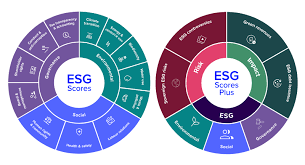
The pitch is straightforward. Most ESG data on the market today still arrives in formats that are difficult to compare across providers, hard to plug into the systems firms already use, and tricky to explain to a regulator asking pointed questions. LSEG is positioning its new platform as the answer to all three problems. The scoring system runs on 220 standardized indicators and rates companies on a zero-to-five scale across 12 sustainability themes. There is no analyst opinion baked into the numbers. Everything is derived from publicly available corporate disclosures, collected and structured so that the same data can flow into a portfolio manager’s research screen, a compliance officer’s reporting dashboard, or a lender’s credit model without anyone having to reformat a spreadsheet.
That matters because the buyers of ESG data have changed. LSEG debuts ESG analytics into a market where the global ESG data industry alone is valued at nearly $6 billion and growing at close to 25% a year, yet a significant share of that spending still goes toward cleaning up and reconciling information that arrives in inconsistent shapes. Fund managers running quantitative strategies need data feeds that update alongside corporate reporting cycles and sit inside the same platforms they already use for pricing and company fundamentals. LSEG has built the platform to work that way, delivering scores through its Workspace terminal, cloud services on Microsoft Azure, AWS, and Snowflake, and direct data feeds that firms can pull into their own internal systems.
The practical advantage for buyers is flexibility. LSEG debuts ESG products with a modular design that lets clients start with a core set of scores and then layer on additional analysis without overhauling their setup. An optional add-on called ESG Scores Plus brings in signals on corporate controversies, country-level governance risk, and positive environmental indicators like green revenue and sustainable financing activity. A bank in Frankfurt subject to strict European disclosure rules can apply a different analytical lens than a pension fund in Singapore working under a separate regulatory framework, all using the same underlying data. That plug-and-play approach is a direct response to what buyers have been telling providers for years: stop forcing us to choose between comprehensive data and usable data.
Behind the scenes, LSEG has invested heavily in the infrastructure that makes this possible. The company migrated its core data operations to Microsoft Azure under a long-term strategic partnership and now processes around 80,000 files a day across a unified data platform that also powers its market pricing and fixed income products. For a buyer evaluating vendors, the takeaway is simple: the ESG data runs through the same pipes and quality checks as the financial data LSEG has been delivering to trading floors for decades. When LSEG debuts ESG data on that backbone, clients get reliability and speed that standalone sustainability data firms have struggled to match.
The regulatory dimension adds urgency. The EU’s ESG Rating Regulation will soon require every provider selling sustainability scores in Europe to be authorized and supervised by the European Securities and Markets Authority. The ESG reporting software market is expected to reach $7.4 billion within the decade, and much of that growth depends on whether providers can align their outputs with the frameworks regulators actually enforce. LSEG has said it plans to apply for ESMA authorization this year. For institutional buyers, that signals a provider willing to submit its methodology to external review, a meaningful differentiator in a market where transparency has been inconsistent. As LSEG debuts ESG scoring tools built for this new supervisory environment, it is offering clients something they can defend in front of a regulator, not just something that looks good in a pitch deck.
The scoring methodology itself is designed with explainability in mind. LSEG uses what it calls a sustainability-first materiality matrix that assesses companies at the business segment level rather than applying a single blended score across all operations. A diversified company with a mining arm and a financial services division gets each part measured against the ESG risks most relevant to that specific activity. The framework aligns with the major international reporting standards that institutional investors already reference, including those from the ISSB, GRI, SASB, and the European Sustainability Reporting Standards. Elena Philipova, LSEG’s director of sustainability solutions, has said clients want insights they can explain and justify across the entire investment, lending, and advisory lifecycle.
The competitive picture is crowded. S&P Global, MSCI, Bloomberg, and Deutsche Boerse are all investing aggressively in ESG data and analytics. Europe alone accounts for roughly 44% of global ESG assets, which is why the continent’s incoming regulatory regime carries outsized commercial weight for every vendor in the space. What increasingly separates the contenders is not just how many companies they cover but how easily their data travels into the workflows clients already run. LSEG has been building partnerships with Snowflake, Databricks, and OpenAI to make its data accessible through AI-powered tools and natural language search, a bet that the next generation of buyers will expect to query sustainability data the same way they query a search engine. As LSEG debuts ESG scores designed to work inside those environments, it is trying to future-proof the product for a market that is moving fast.
Whether the investment pays off is the open question. LSEG’s annual subscription value, its key measure of recurring revenue momentum, grew 5.9% last year, clearing analyst estimates but slowing from the prior year’s 6.3%. Activist investor Elliott Management has been pressing for faster returns. The company recently announced a record three billion pound buyback and raised its organic income growth target to 6.5 to 7.5%. With net-zero pledges now covering roughly 92% of global GDP, the volume of corporate sustainability data flowing into markets is only going to increase, and so is the premium on platforms that can handle it cleanly. As LSEG debuts ESG technology at the intersection of sustainability data and financial infrastructure, the promise is clear. Delivery is what the market will be watching.
ESG Tech Report
The go-to weekly newsletter for ESG and sustainability professionals. Trusted by 10,000+ industry leaders for authoritative, data-driven intelligence on the technology behind ESG. Join them today.